Answering The Call: How Disabled Believers Can Lead in Local Missions
A Personal Call to Action
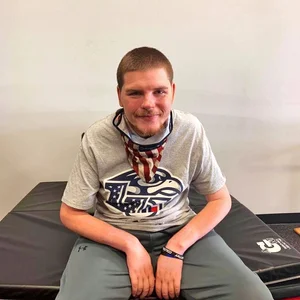
On April 19, 2014, I became a C4 quadriplegic. That injury changed what my body can do, but it didn’t change what Christ has asked me to do.
Long before my accident, I understood something important about the Christian faith: when Jesus gave the Great Commission in Matthew 28:18–20, He didn’t include any exceptions.
He didn’t say, “Go and make disciples of all nations—except for those with disabilities.” Scripture gives no reason to deny that believers with disabilities aren't able to make disciples. But in reality, many churches quietly treat disability as a reason to exclude people from meaningful mission work—both locally and around the world.
That goes against God’s heart. It also silences powerful witnesses—disabled and non-disabled—who God calls to work together for the Gospel.
A Look at Disability and the Church’s History
This situation isn’t a new problem.
Throughout history, People have often viewed people with disabilities as objects of charity rather than active partners in God’s mission. Even when the church showed some compassion, Others usually pushed disabled believers aside.
In the early church, People often viewed disability as a punishment from God. Families sometimes hid disabled members or treated them with pity instead of respect. Full participation in community life was usually limited.
But Jesus challenged these ideas.
During His ministry, Jesus:
Reached out to people with disabilities
Restored them to the community
Showed they have value in God's Kingdom
Over time, His example changed how Christians thought. Today, many theologians and church leaders are rediscovering a truth the church shouldn’t have lost: people with disabilities are not just recipients of ministry— they are called, gifted, and essential parts of God’s mission.
Why Missions Still Often Leave Out People with Disabilities
Even with progress, Many churches still leave people with disabilities out of mission work. The reasons seem practical—they’re often rooted deeper in theology.
Physical Barriers
Mission projects often assume a particular kind of body. Common problems include:
Buildings with stairs, narrow doors, or inaccessible bathrooms
Transportation that doesn’t work with wheelchairs or mobility aids
Lodging and sites that aren’t accessible
Overemphasis on manual work—like building or traveling—as the main way to do mission work
Research shows these issues aren’t impossible to fix. The real problem is that Churches rarely include disabled people from the start of the planning process. When missions assume one type of body, anyone who doesn’t fit is seen as an exception or a burden, not a teammate.
Wrong Ideas About Theology
More damaging than physical barriers is bad theology.
Many churches still operate with the idea that disability is mainly a problem to fix, instead of a situation where God’s glory, calling, and power can shine.
This type of false theology shows up when churches:
Rarely invite disabled believers into leadership or visible roles
Pray about disabled people instead of praying with them and working alongside them
Keep disability siloed into “special needs” ministries instead of including disabled believers fully in all church life and work
The Bible tells a different story.
It presents disability as part of the larger story of creation, fall, redemption, and future restoration—not as a sign of personal sin or spiritual failure. God calls His people as they are, not as we think they should be.
Why Local Missions Matter—Especially for Disabled Believers
Local missions aren’t a backup option for those who can’t travel overseas. They’re a vital, biblical, and practical way to live out the Great Commission.
In many cases, Local mission is where people with disabilities are essential—not just to participate, but to lead.
Why Local Missions Work
Teams can plan for accessibility intentionally
Relationships are long-lasting, not just quick transactions
Participation can be flexible and sustainable
Costs are lower
Being present in a community really matters
Spiritual growth happens where people actually live their lives
You don’t need a passport to share the Gospel. All you need is availability, obedience, and a willingness to serve with the gifts God has given you.
Where Disabled People Thrive in Local Mission
The mission field for people with disabilities isn’t just a fancy idea—it’s actually happening right here, often closer than most churches realize. A lot of local mission work is actually really well-suited for believers whose lives have changed by things like limitations, reliance on others, perseverance, and hope.
Having a disability doesn’t mean mission work has to slow down — in many cases, it makes it more meaningful and personal.
Building Relationships and Discipling Others
The best way to grow locally is through relationships, not big events or flashy programs. People with disabilities often do really well in this kind of setting because they understand what it’s like to be vulnerable and persistent.
Some great examples include:
One-on-one mentoring and discipleship
Hosting Bible studies in homes, care facilities, or small groups
Joining prayer ministries that stick with people over time
Offering encouragement, counsel, and a steady spiritual presence
Discipleship is slow and steady work — it takes patience, listening, and just showing up. These are qualities often shaped through challenging experiences.
Teaching, Writing, and Sharing Theology
The church really needs people who can think clearly, teach faithfully, and share solid theology. Mission isn’t always about being loud or active — sometimes it’s about shaping hearts and minds for the long haul.
People with disabilities can do well in roles like:
Leading Bible studies or Sunday School
Writing devotionals, curriculum, or reflections
Hosting online discipleship groups or digital outreach
Recording podcasts, videos, or other resources
Even Paul had physical limitations, but he changed the early church through teaching and letters. Mission isn’t about physical strength — it’s about faithfully sharing truth.
Evangelism Through Presence
Sometimes, the best thing you can do for a mission is just show up and be there.
People with disabilities often naturally start conversations in everyday spots — coffee shops, clinics, churches, and neighborhoods. These simple interactions can lead to real talks about life, struggles, and hope in the Gospel.
This type of outreach can look like:
Sharing your faith in daily routines
Talking about the Gospel through your everyday experiences
Offering hospitality and building community
Praying with people in unexpected places
Believers who rely on Christ daily often have a genuine credibility that’s hard to fake.
Prayer as Local Mission
Prayer isn’t just something you do behind the scenes — it’s front and center in mission.
Many people with disabilities develop deep prayer lives because they’ve had to depend on God in special ways. That’s a gift to the whole church.
Getting involved in prayer might mean:
Joining or starting prayer teams
Participating in prayer chains for specific needs
Offering spiritual support for families and ministries
Quiet, steady prayer that strengthens visible work
Scripture reminds us that unseen faithfulness really matters. What we trust to God is just as important as what we do with our hands.
Advocacy and Church Renewal
People with disabilities often see things in church life that others might miss — especially where churches might unintentionally leave people out.
They can play a significant role in:
Advising on accessibility and inclusion
Helping plan events and outreach that are truly open to everyone
Training churches to move from just charity to real partnership
Shaping mission strategies that reflect everyone in the body of Christ
This action isn’t just activism — it’s living out what the church should be: a place where every member matters.
Ministry to the Overlooked
People living with disabilities often notice when others feel lonely because they’ve felt it themselves.
They are uniquely equipped to serve in places like:
Visiting older people and those at home
Ministering in hospitals, nursing homes, and rehab centers
Supporting those with long-term illnesses or disabilities
Encouraging families who are caregivers
These aren’t just side missions — they’re at the heart of what Jesus calls the church to do.
Why This Matters
The church doesn’t need fewer disabled believers in mission — it needs more of their gifts, wisdom, and faithfulness.
When they’re left out, the church misses:
A clearer understanding of suffering and hope
A credible witness of relying on Christ
A complete picture of what the body of Christ looks like in action
Local mission isn’t about doing everything — it’s about doing what God calls you to, right where you are, with the people He’s given you.
Ready to Serve?
The Great Commission still stands.
If the church really wants to make disciples, it has to be serious about inclusion—not as charity, but out of obedience. Starting with recognizing that God calls every believer, that every gift matters, and that nobody disqualifies anyone from God’s work.
Discover ways to get involved in local missions in your community—no matter your physical ability.